
About Bennelongia
Bennelongia Environmental Consultants is a specialist environmental consulting company. It undertakes surveys and species identifications relating to subterranean, short range endemic and aquatic fauna. The company also conducts broader assessments of wetland and river health.
Clients include BHP Billiton, Rio Tinto, Fortescue Metals Group, Hancock Prospecting, Newcrest, CITIC Pacific Mining, URS, SKM, Strategen, Department of Water and Department of Biodiversity, Conservation and Attractions. More on individual projects can be found here.
Staff at Bennelongia have many years experience of fieldwork, invertebrate taxonomy, DNA techniques, scientific research and environmental assessment. Senior staff conducted the stygofauna component of the Pilbara Biodiversity Survey for the Western Australian Government and developed new sampling protocols used for stygofauna in Western Australia as well as new techniques for troglofauna collection. The company now also applies these skills to improving the results of short range endemic (SRE) invertebrate surveys.
Story behind our name
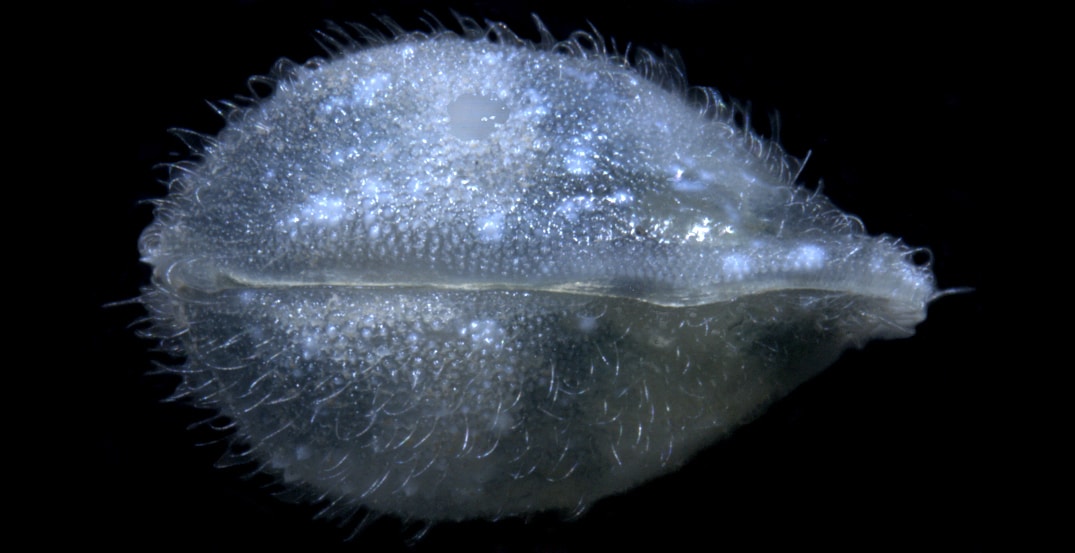
The company name is derived from the ostracod genus Bennelongia. The genus was described in 1981 by Patrick de Deckker and Ken G. McKenzie after Woollarawarre Bennelong, who is the first aboriginal to have a long association with the early European settlers of Australia. The Bennelongia genus is endemic to Australia and New Zealand.
Bennelongia Expertise
Bennelongia staff have many years of policy and research experience in subterranean fauna, wetland ecology and invertebrate conservation gained while employed in the Department of Parks and Wildlife prior to setting up Bennelongia in 2007. Since then, they have undertaken more than 250 environmental impact assessments of subterranean fauna, short range endemic invertebrates (SREs), waterbirds, shorebirds and wetlands and aim to continue undertaking high quality studies and assessments of fauna and wetlands.
Staff continue to publish widely in the scientific literature, describing new species, providing new methods of sampling fauna, and documenting the ecology of fauna to improve the context for impact assessments.