Subterranean Fauna
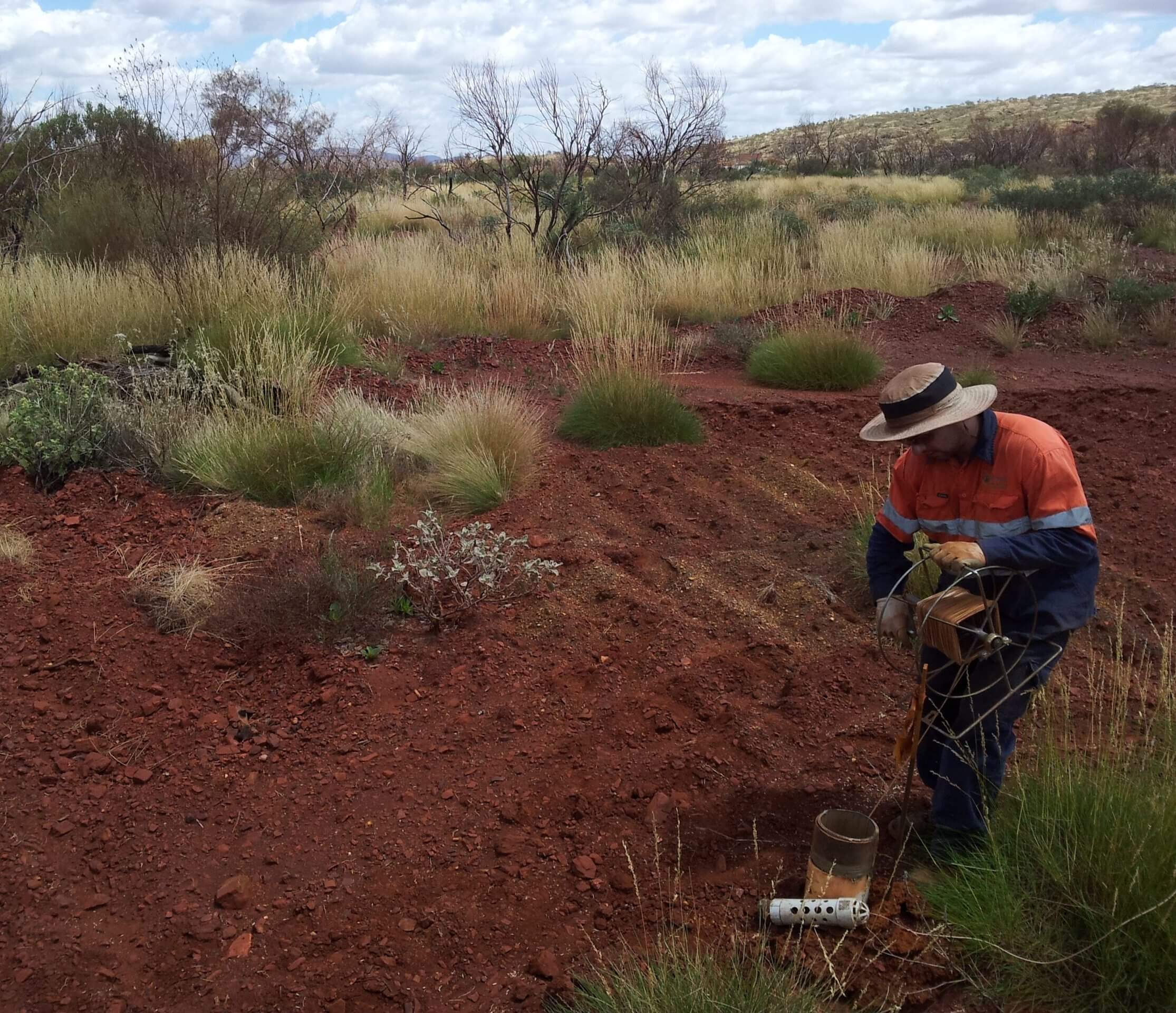
Subterranean fauna are sampled through suitable drill holes using nets and traps according to EPA Technical Guidance.
We offer:
- Comprehensive subterranean surveys for stygofauna and troglofauna
- Desktop environmental impact assessments
- Specialist identification of subterranean fauna for our clients and other consulting firms.
Understanding the Underground Ecosystem
Living underground reduces the capacity of animals to disperse widely and both stygofauna and troglofauna (two types of subterranean fauna) tend to have much smaller ranges than equivalent surface species. The major conservation implication of these small ranges is that large-scale ground disturbance may sometimes threaten the persistence of a stygofauna or troglofauna species. In Western Australia, all native fauna are protected under the Biodiversity Conservation Act 2016 and the environmental assessment process requires that the proponents of development demonstrate that no species of stygofauna or troglofauna (subterranean fauna) are placed at risk of extinction.
Stygofauna
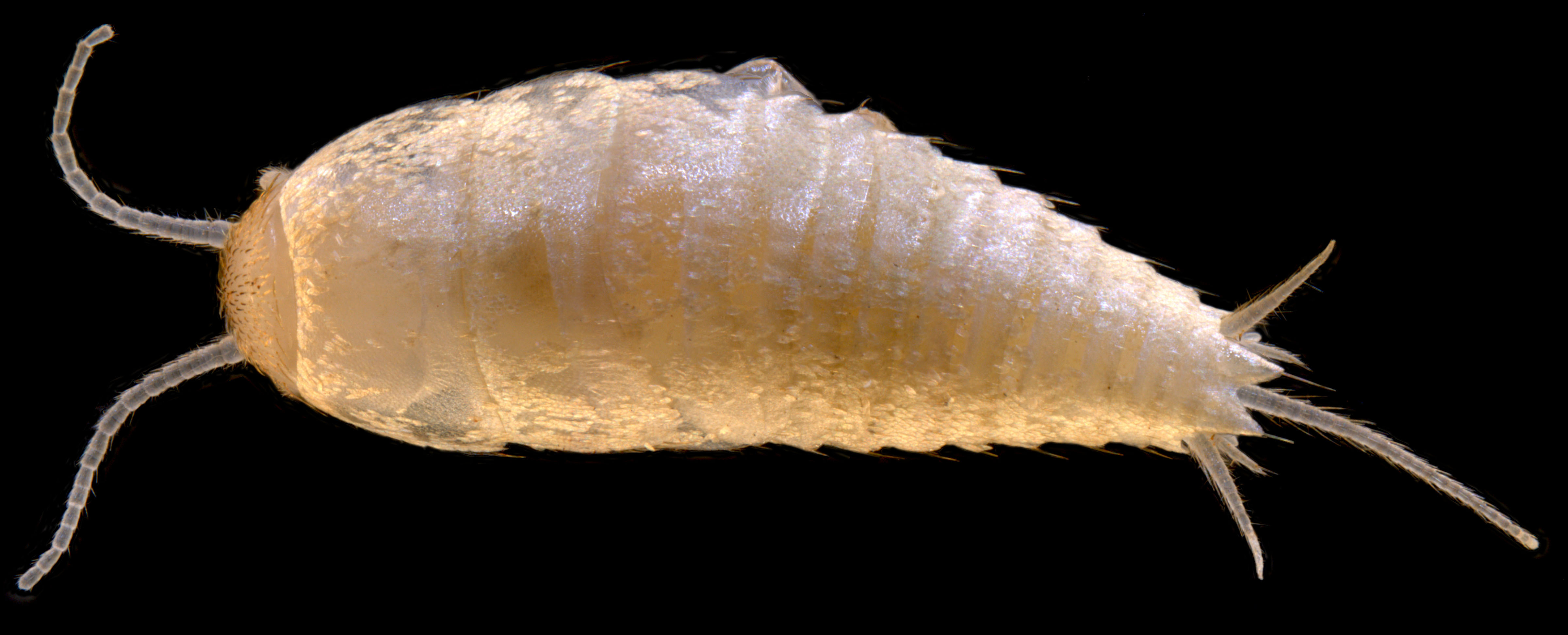
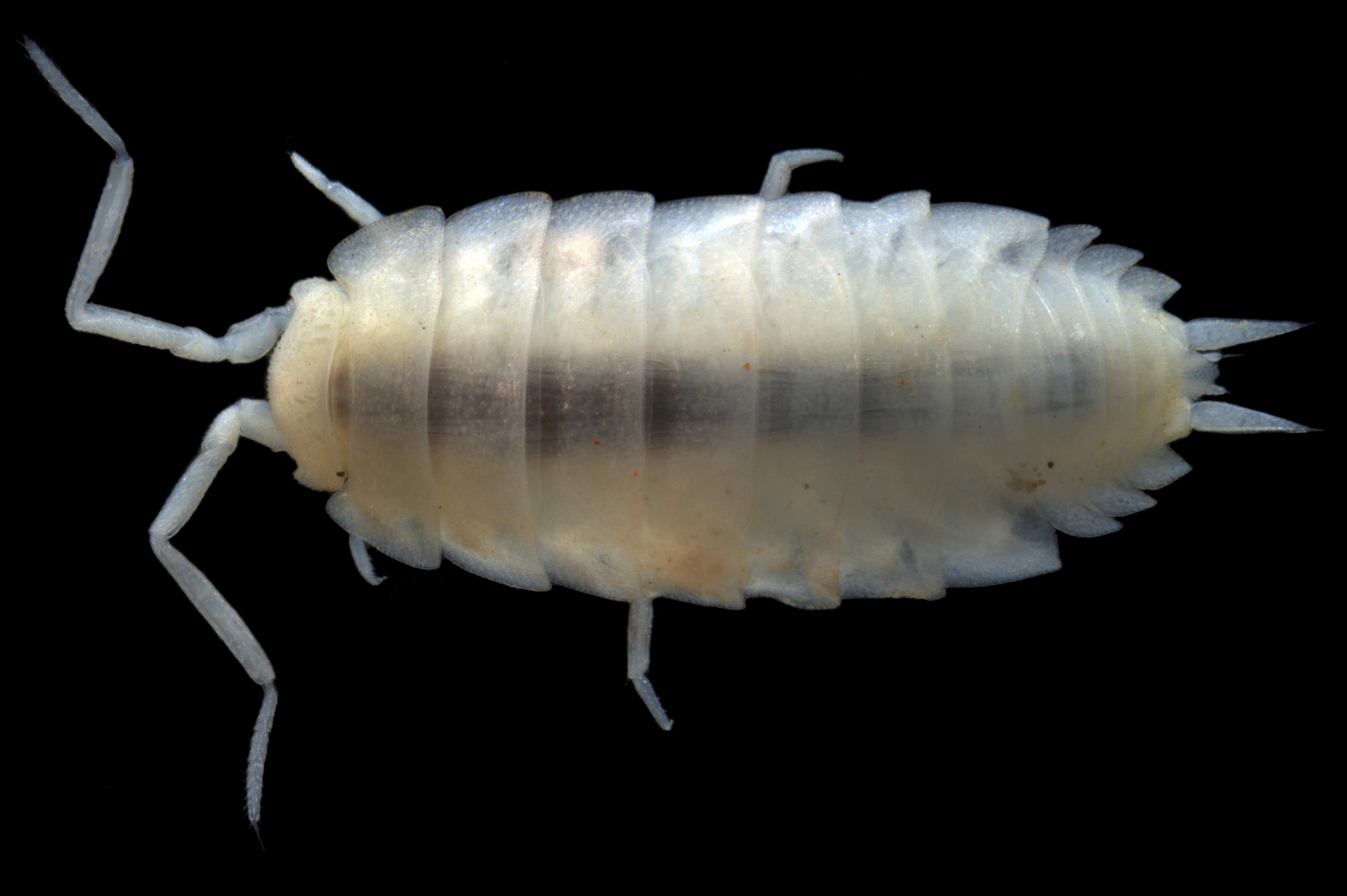
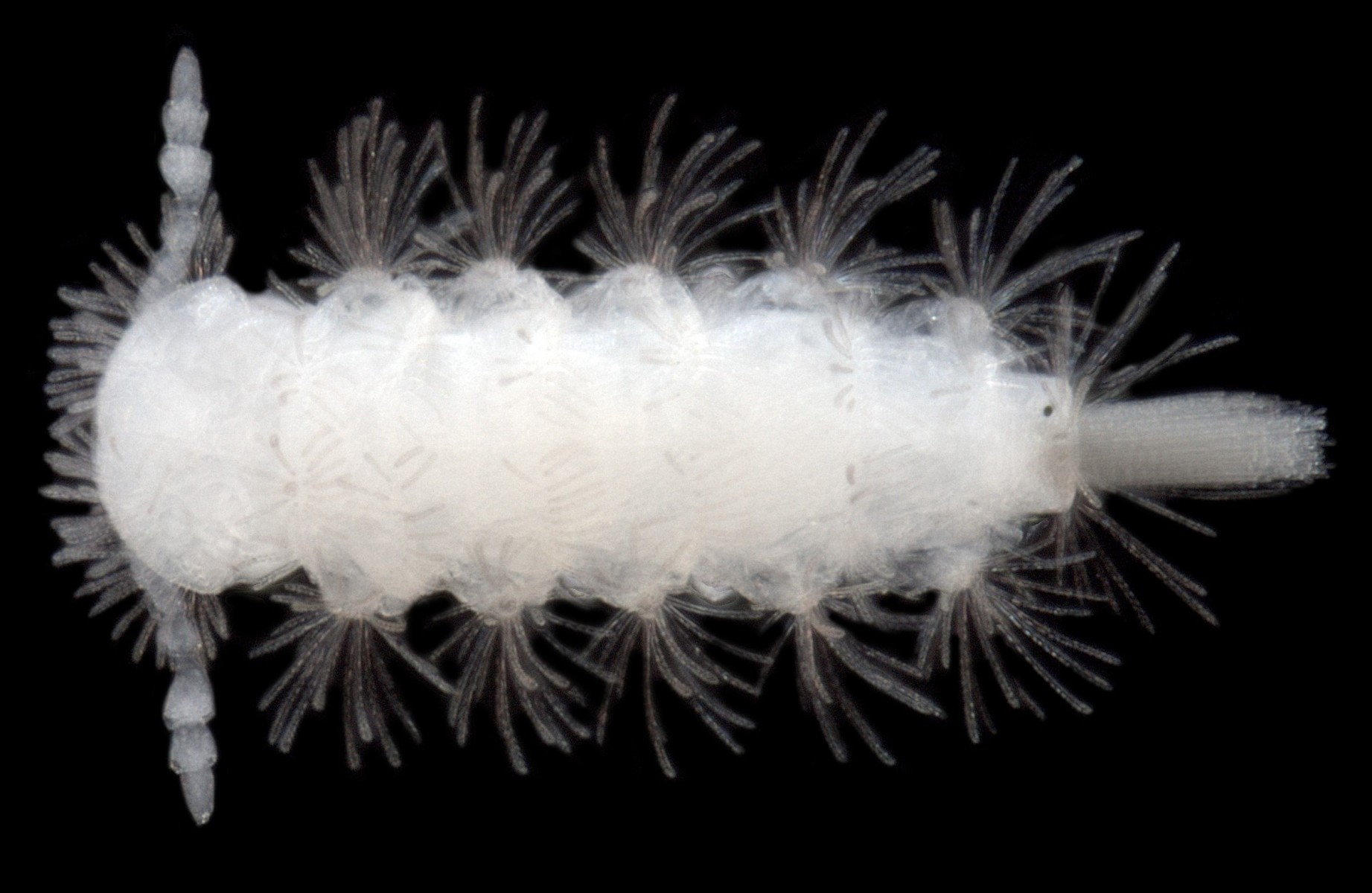
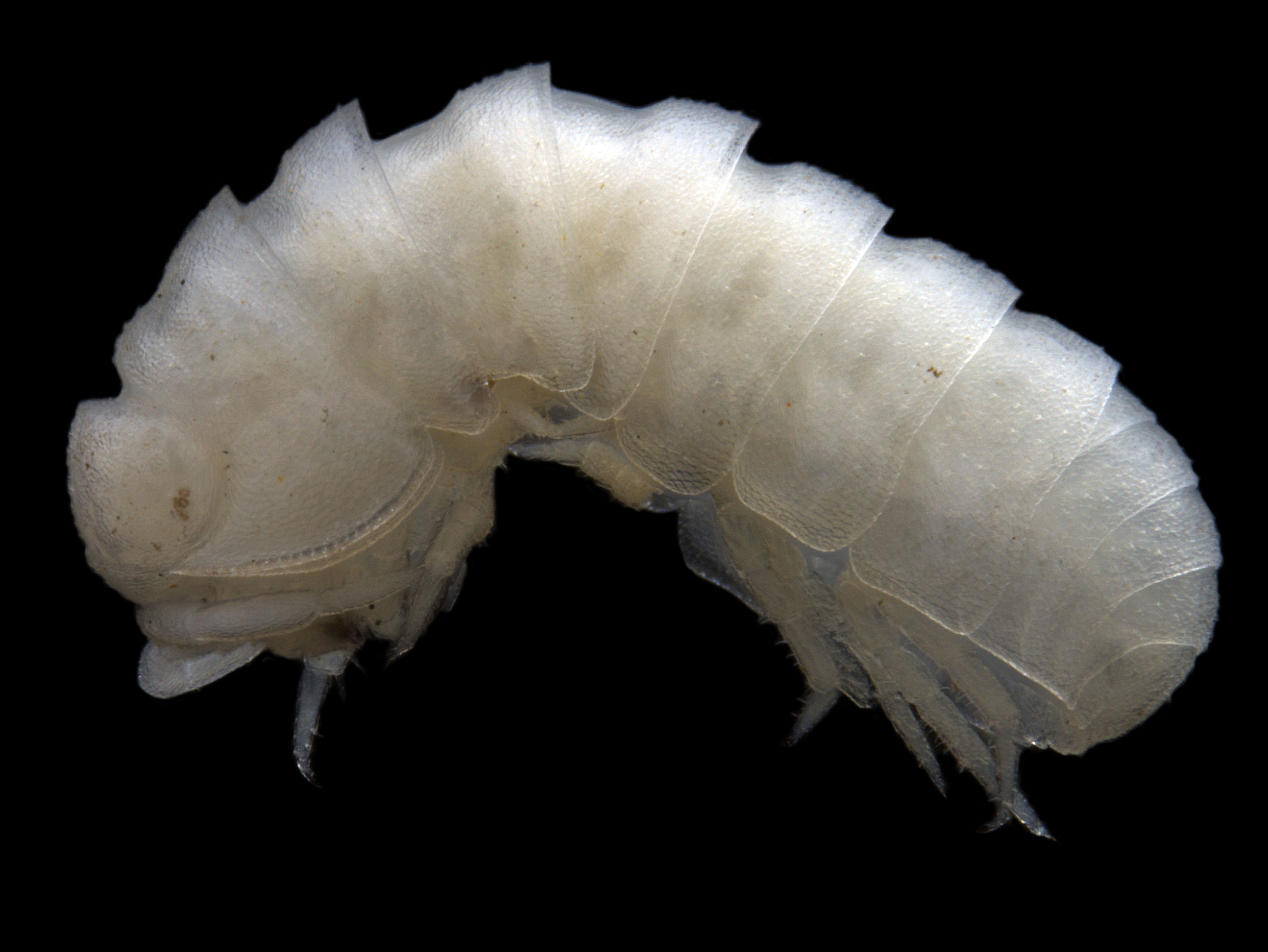
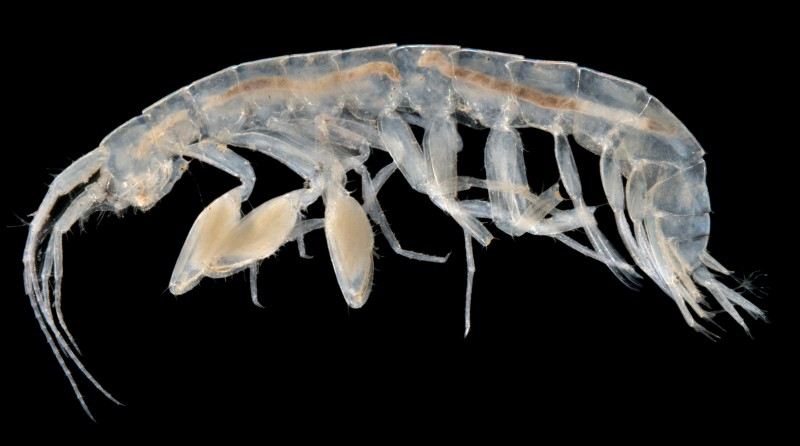
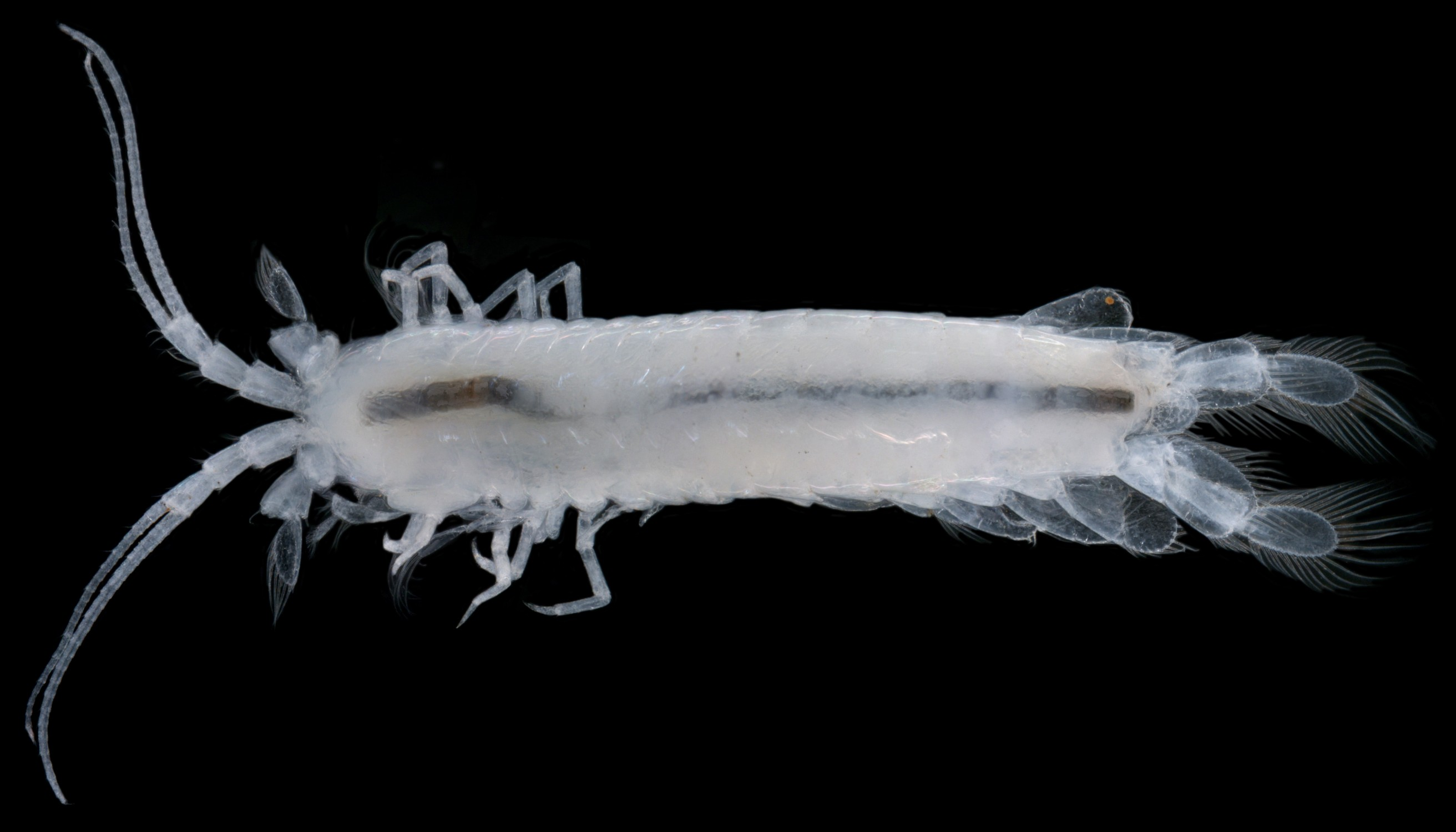
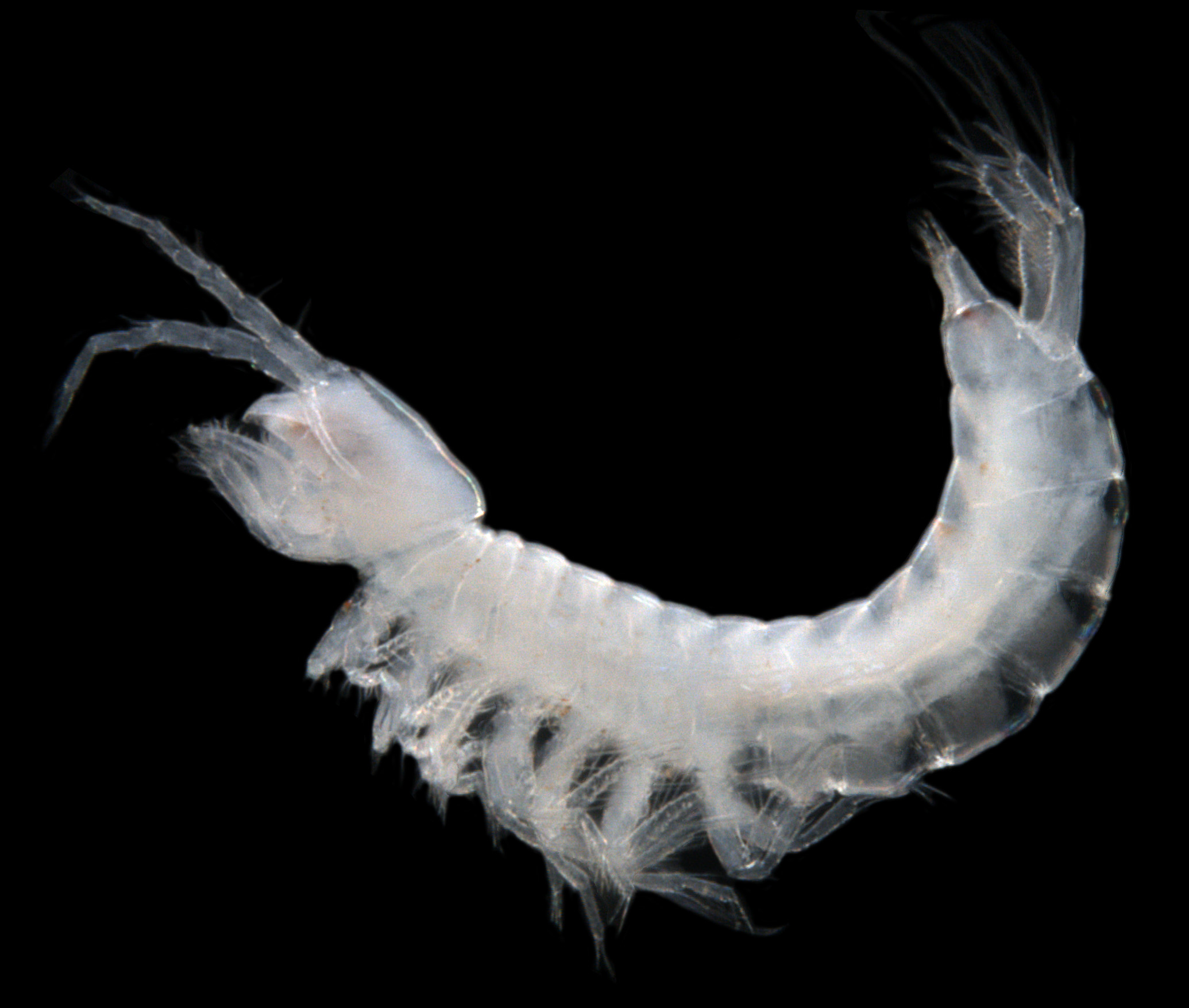
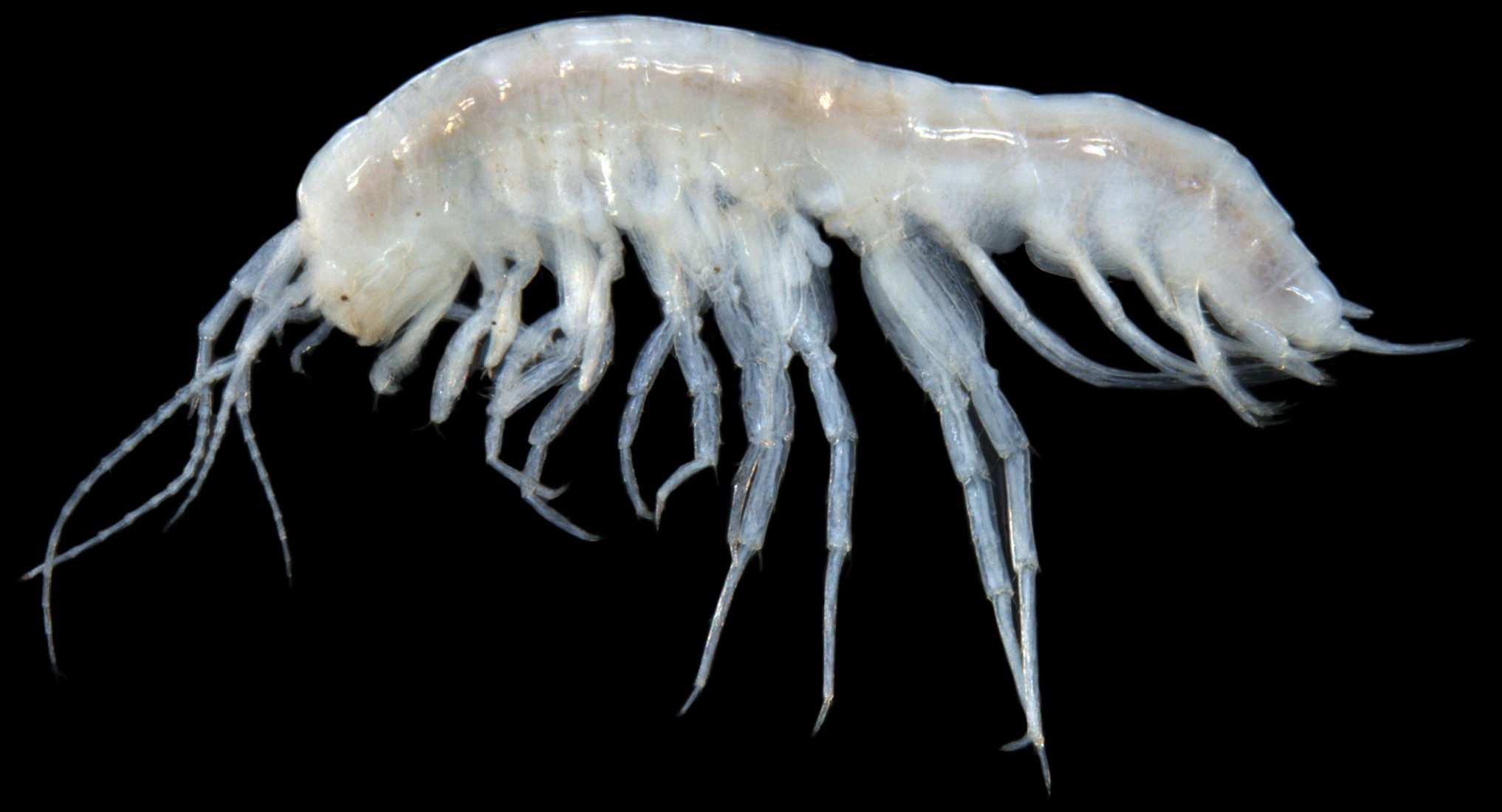
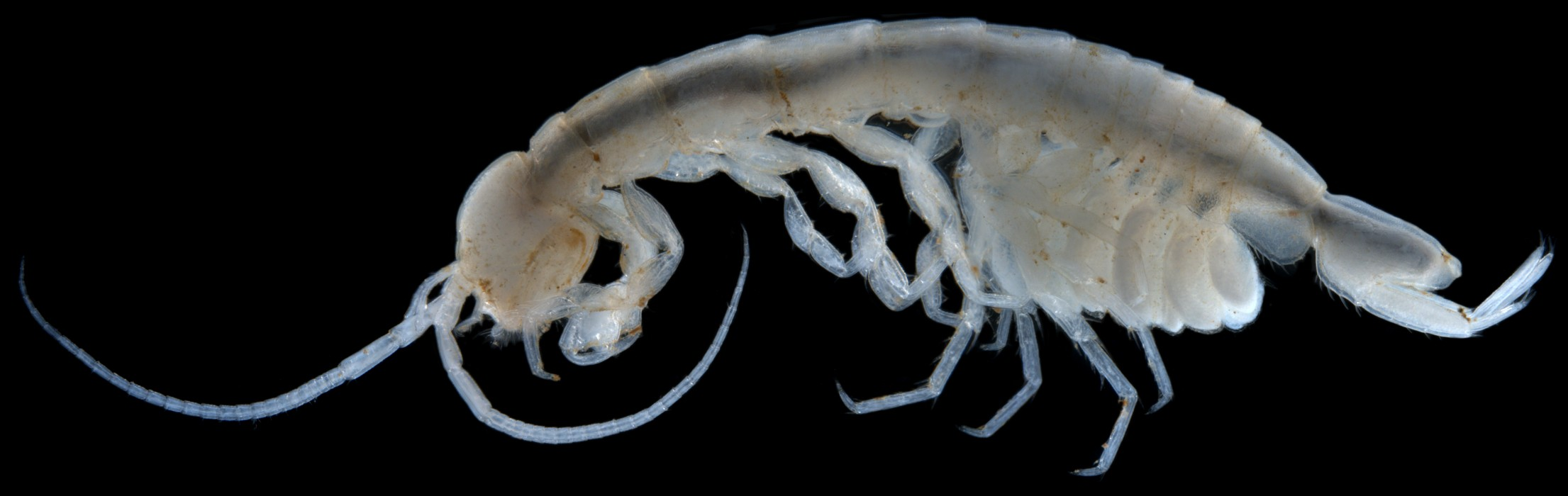
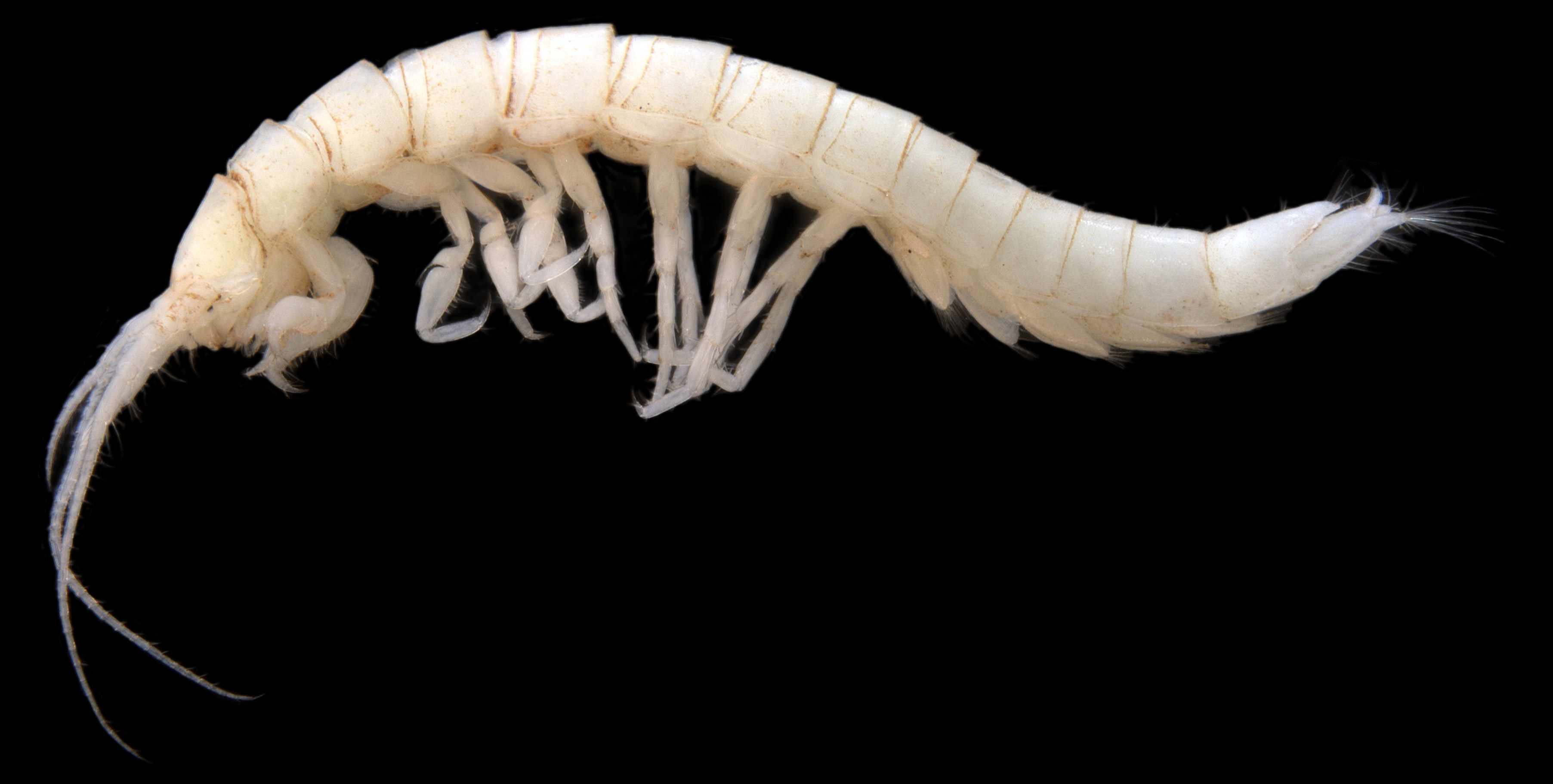
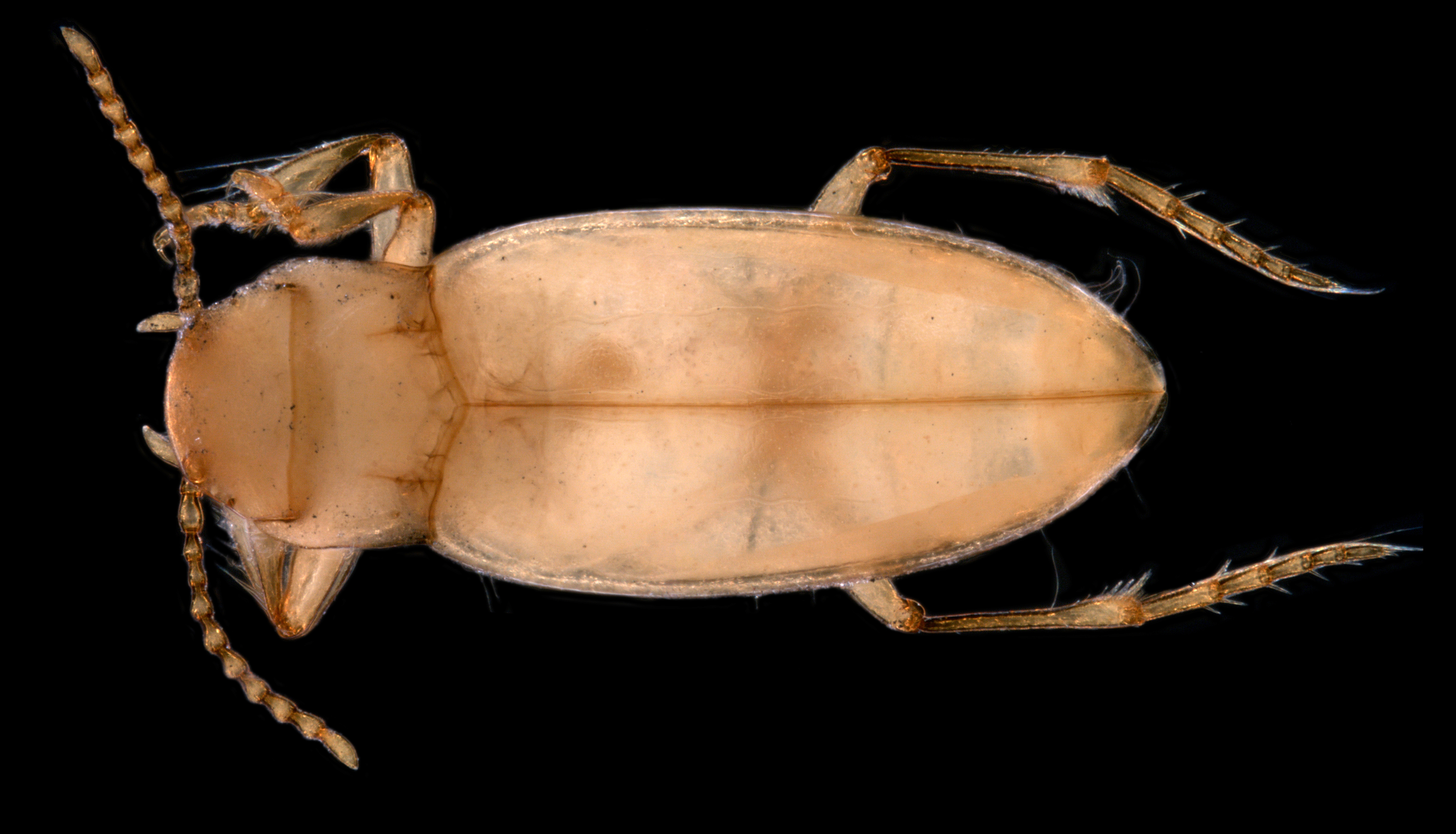
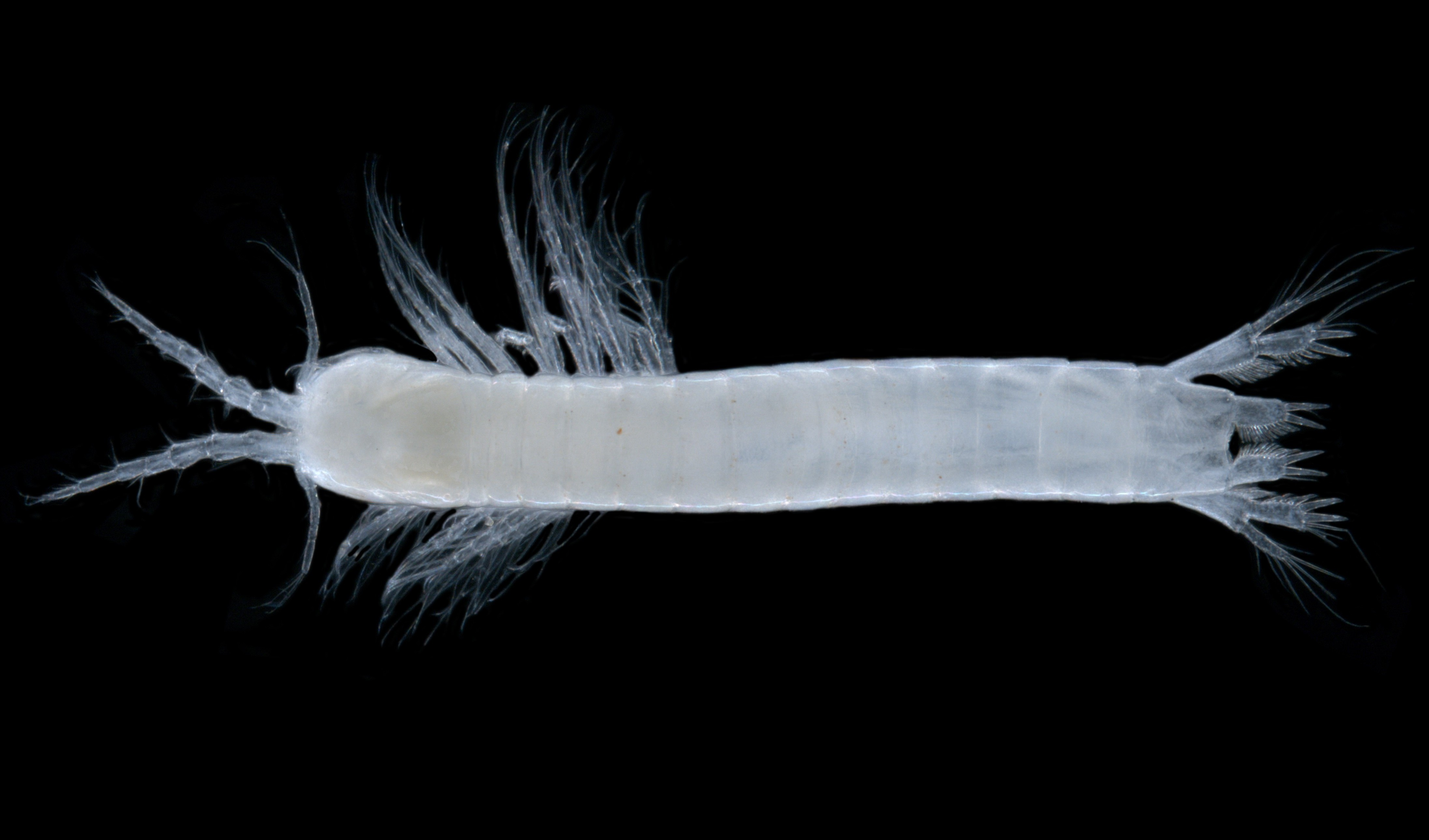
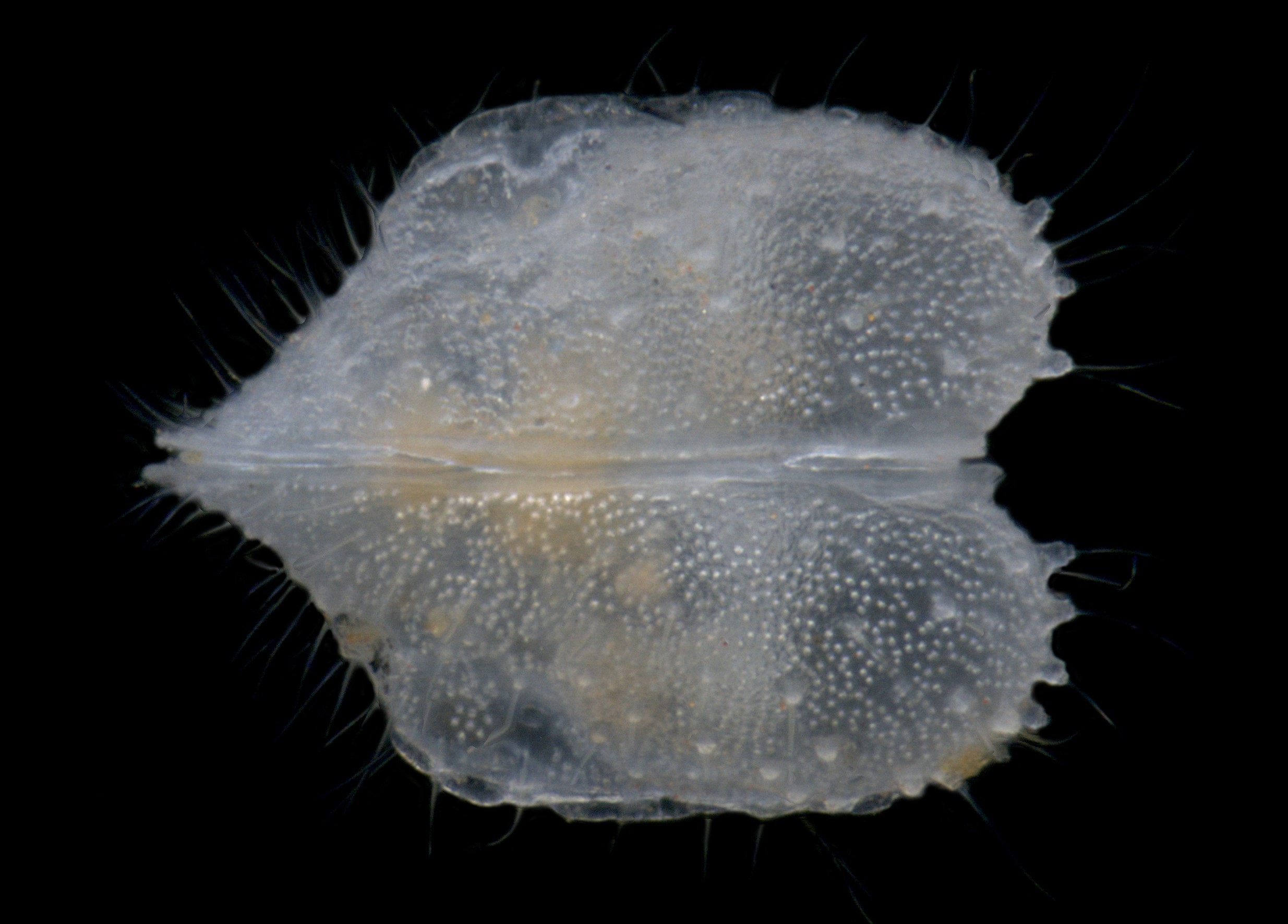
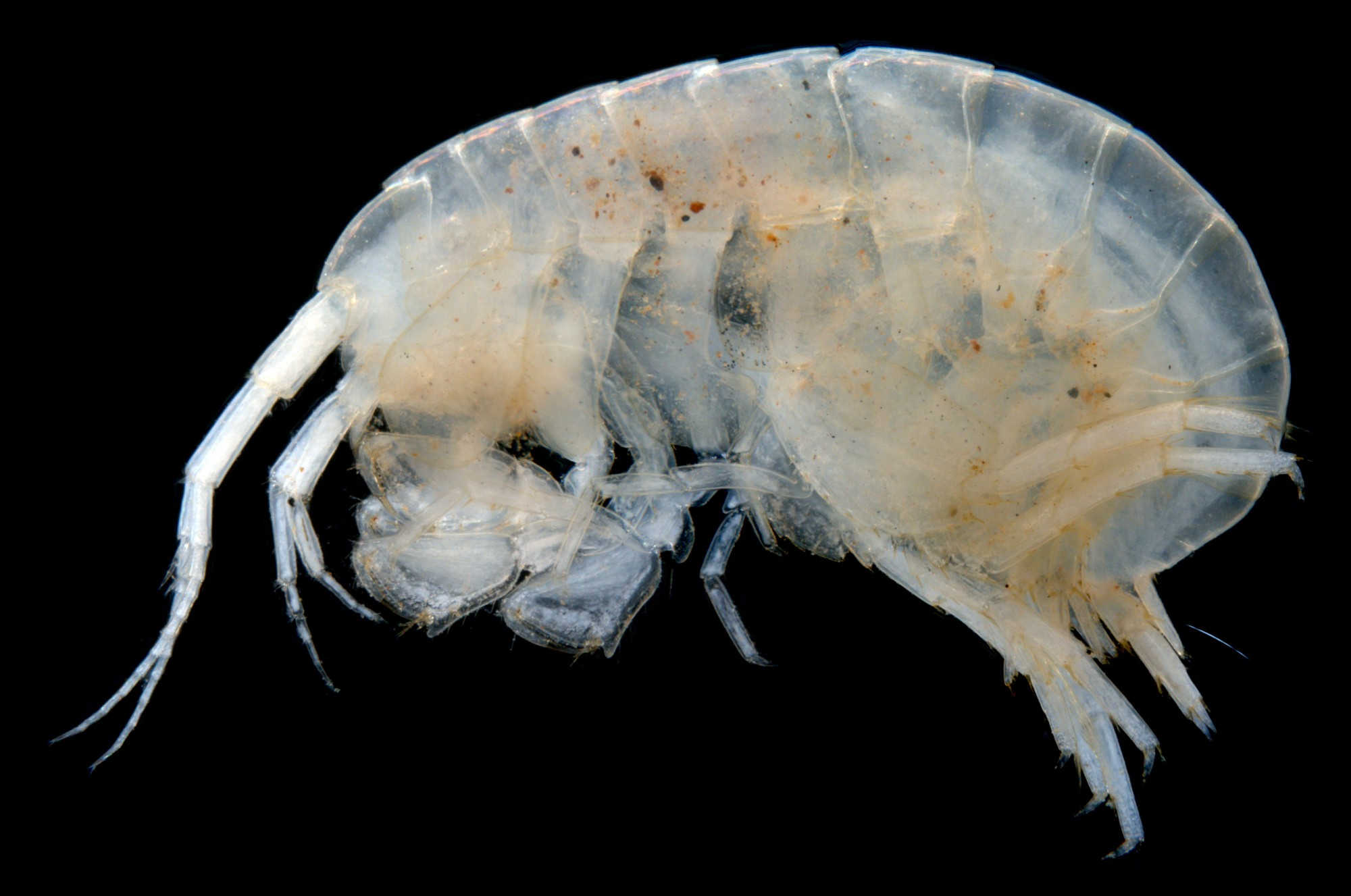
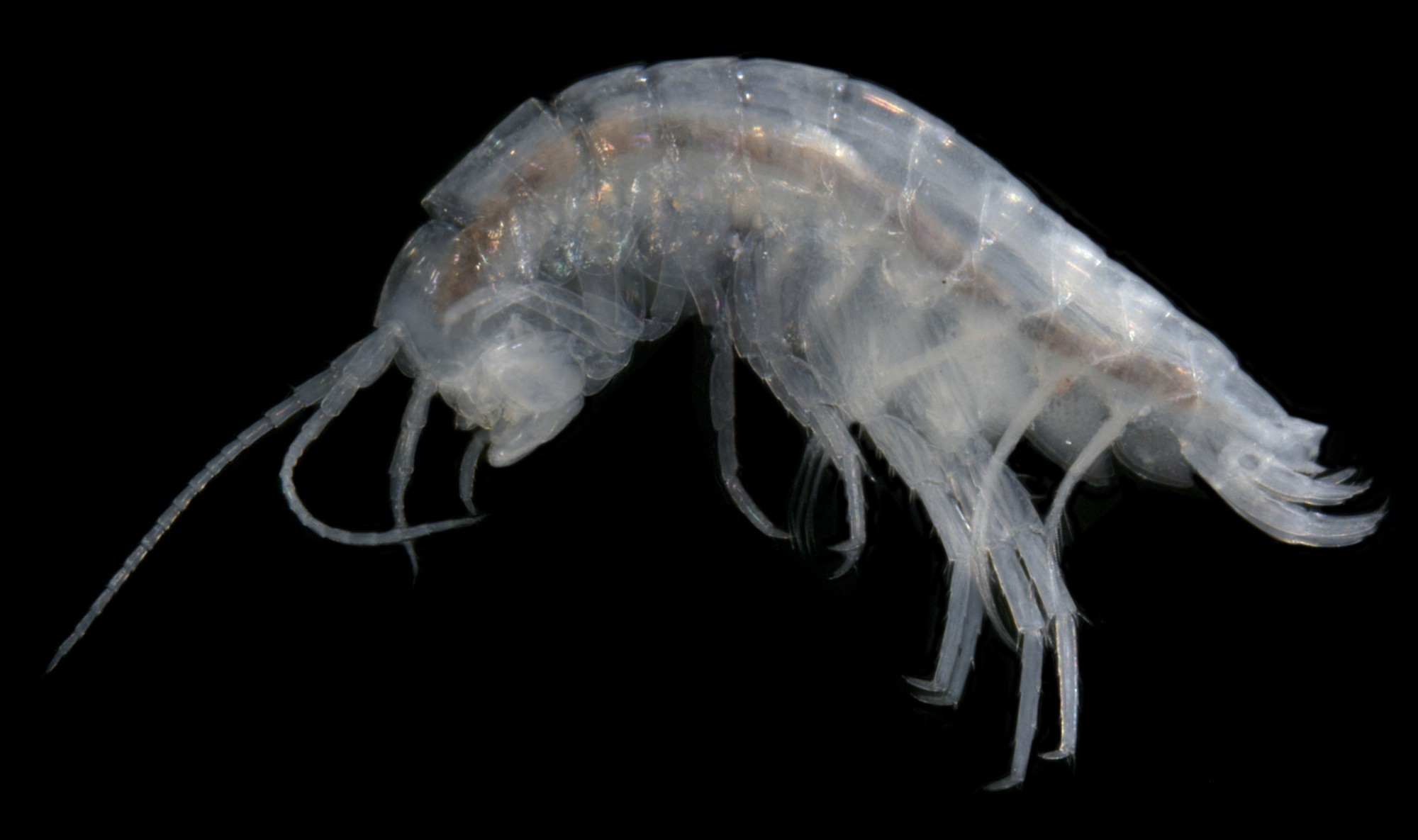
Stygofauna are aquatic animals that live in groundwater, often at considerable depths below the ground surface. While some of the best-known species occupy lakes in subterranean caves, most stygofauna species occur in alluvial, karstic or fractured rock aquifers. They occupy the interstitial spaces, vugs and fissures in these aquifers. Evolution in total darkness has left these species without eyes or pigmentation. While most are crustaceans, the group also includes mites, worms, snails, beetles and a few fish and amphibians. The Pilbara is a global hotspot for these animals, where their presence highlights the ancient history and ecological importance of the region’s groundwater.
Troglofauna
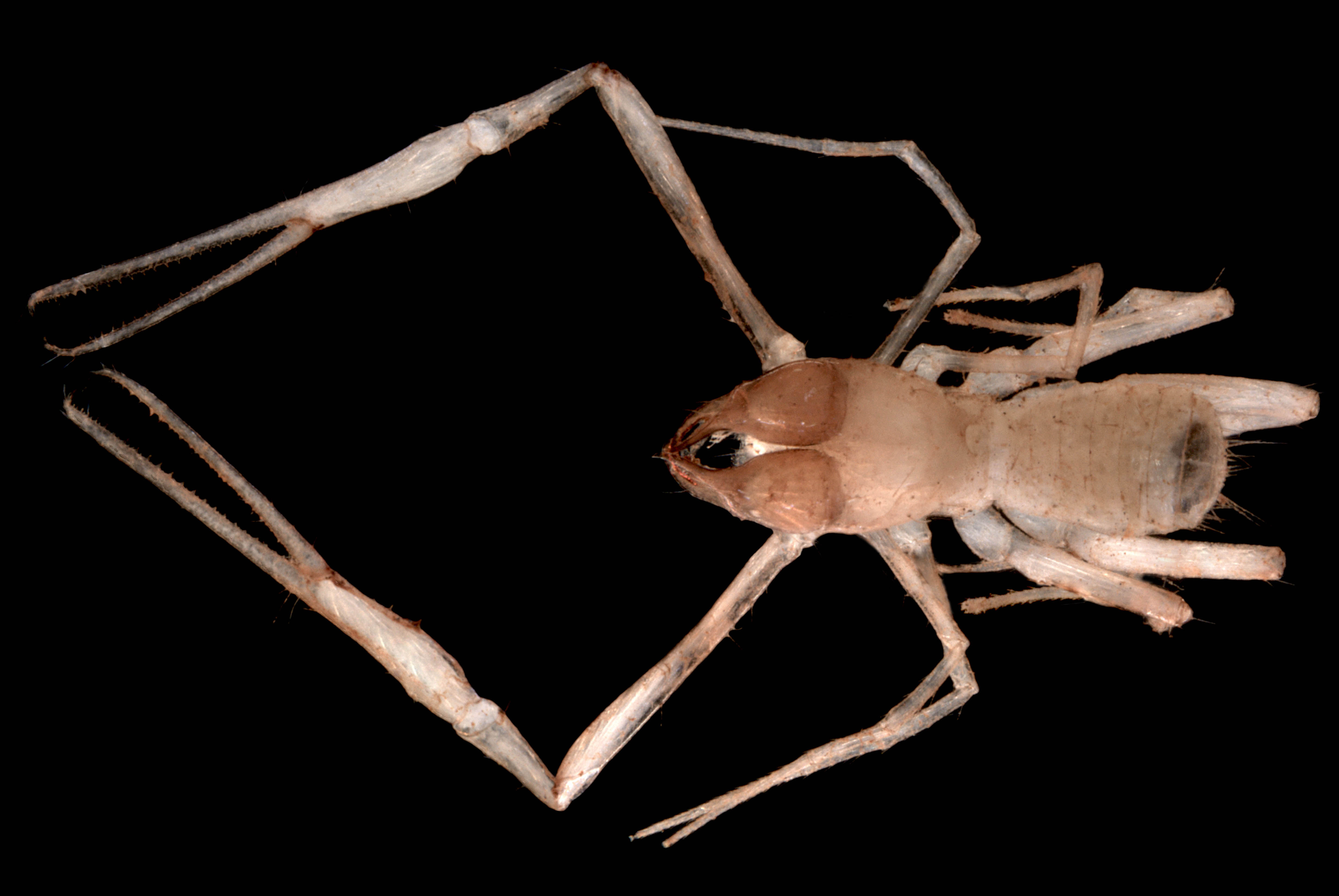
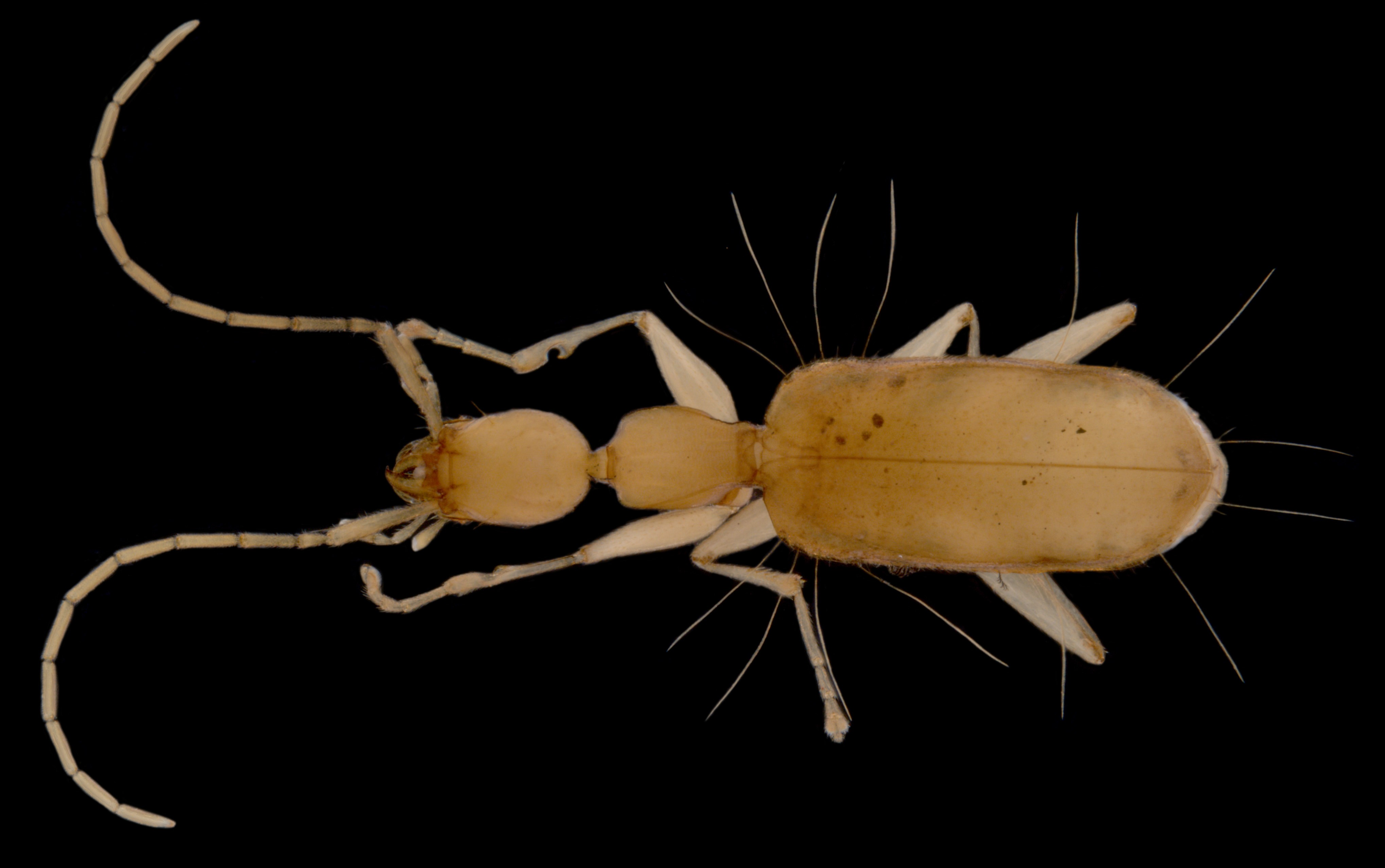
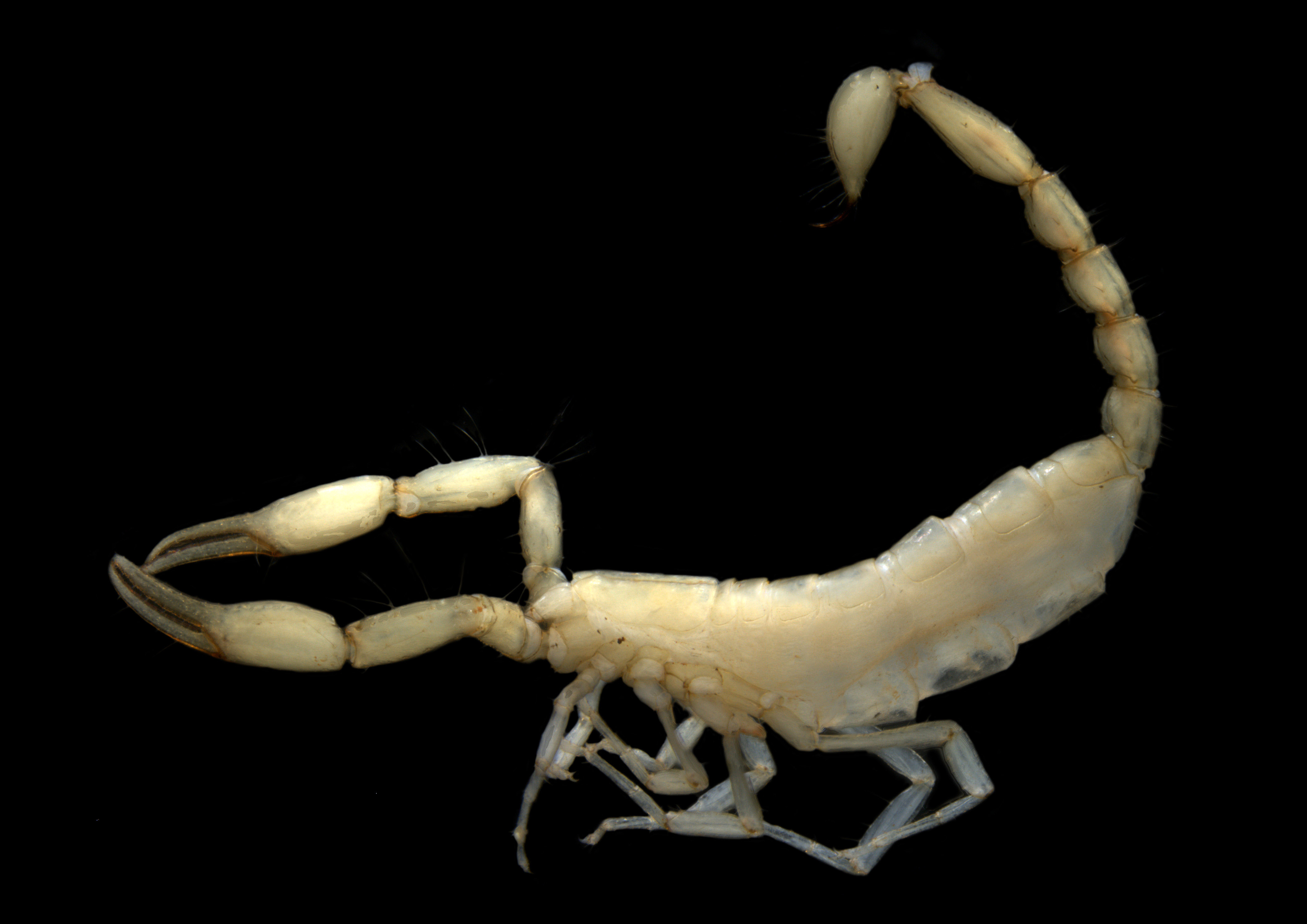
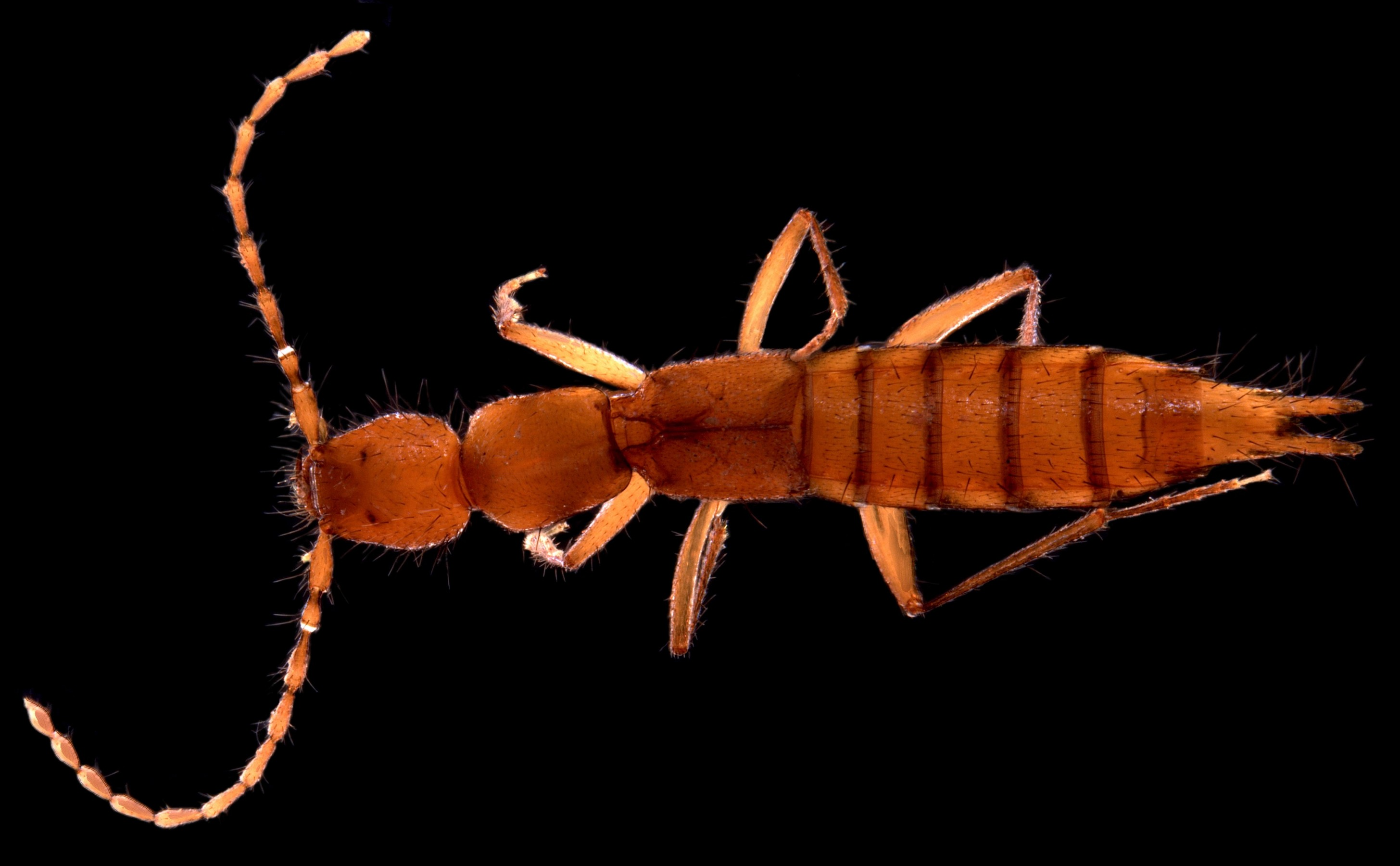
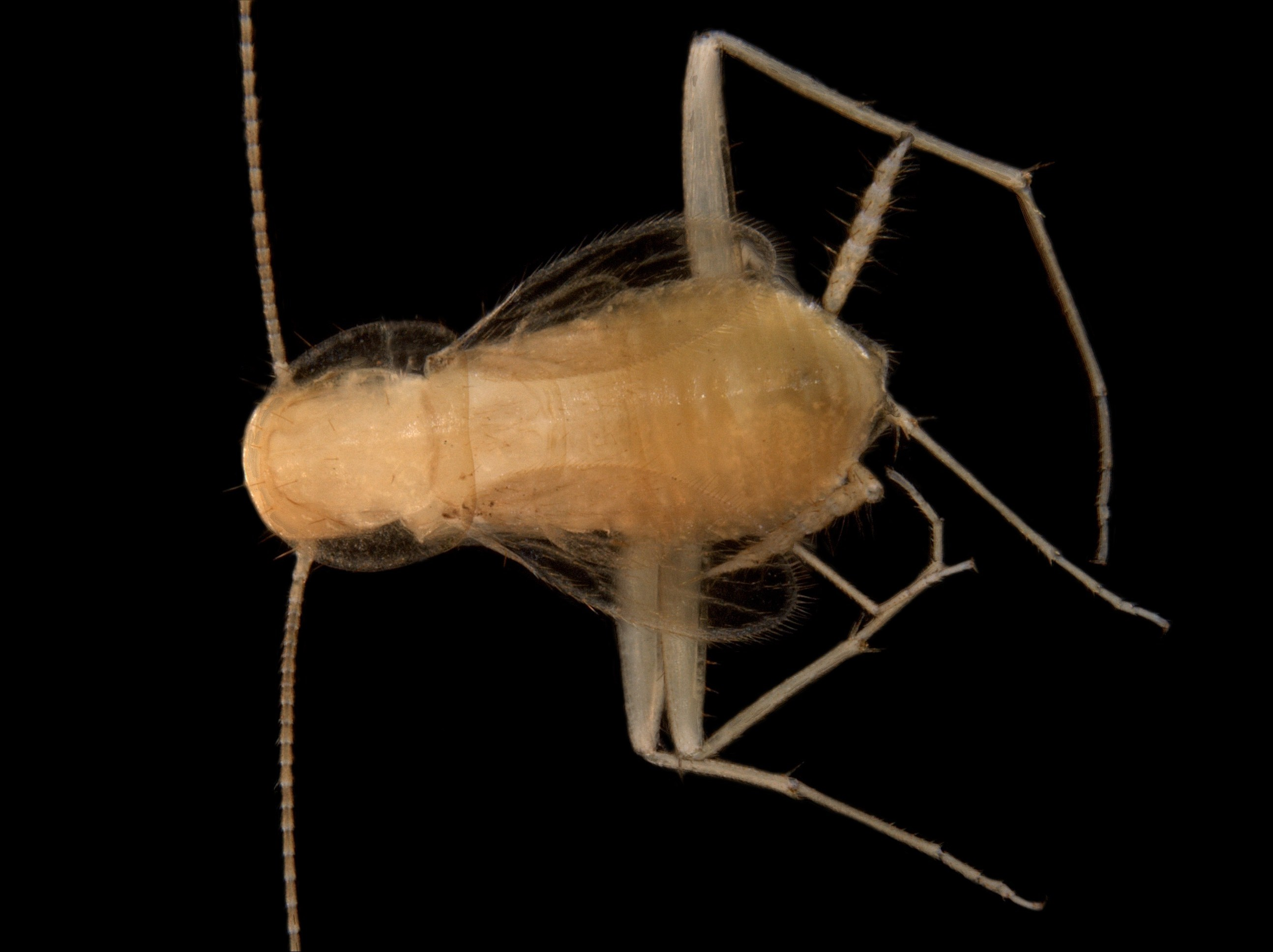
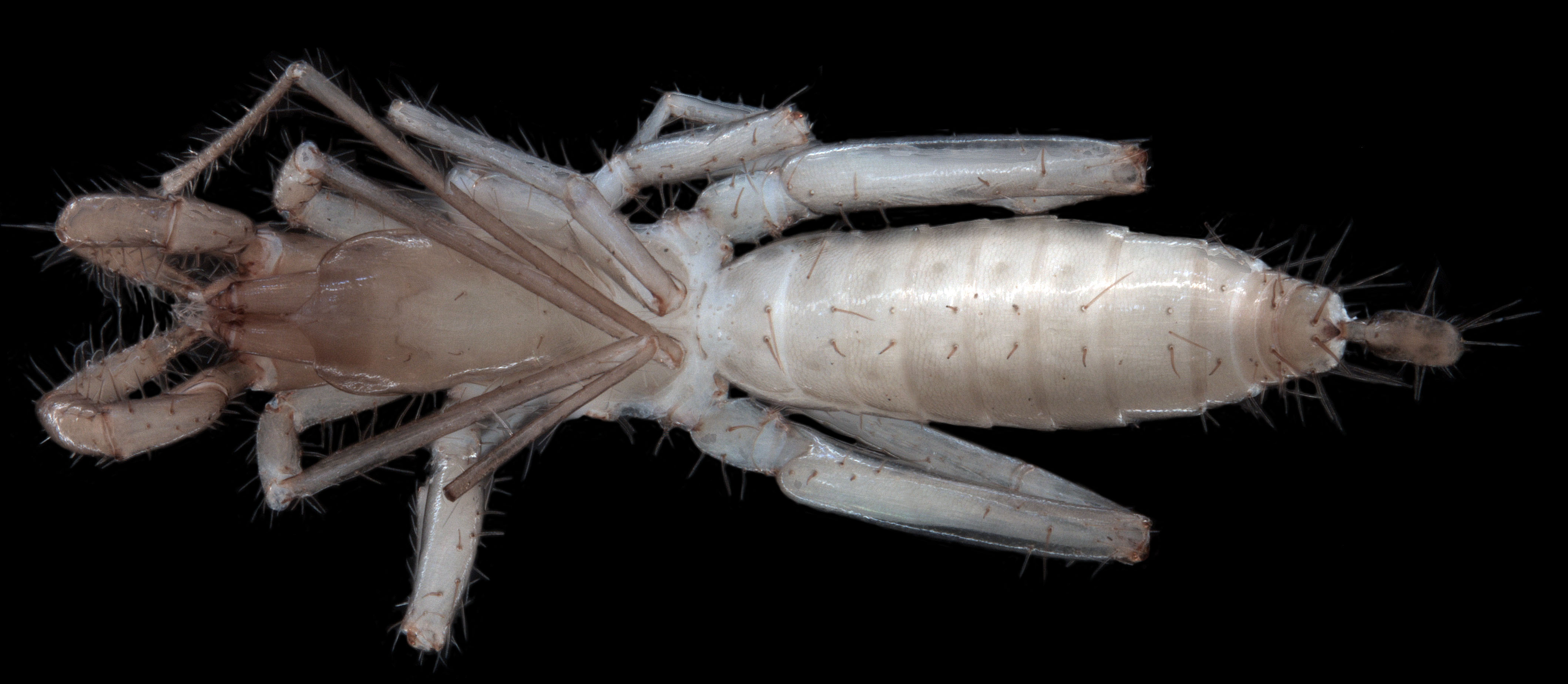
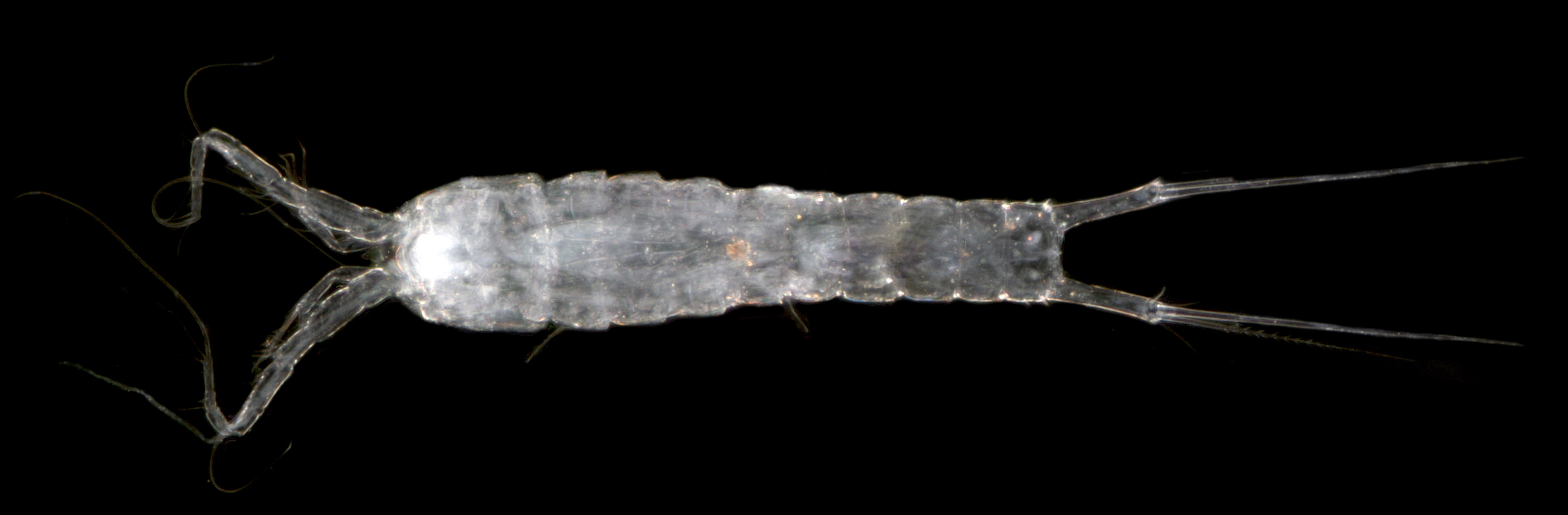
Troglofauna, like stygofauna, are subterranean animals but they are air-breathing and are found from a metre of two below the surface down to the water table. Most troglofauna are invertebrates, with arachnid groups and primitive insects being well represented in troglofauna communities. Troglofauna are also eyeless and poorly pigmented. While troglofauna are mostly studied in caves, they undoubtedly occur widely in alluvium. They have also been collected from iron ore deposits and from calcrete beds in old valleys. Iron ore deposits develop many vugs and voids as they weather and these spaces provide troglofauna habitat. Calcrete also contains many voids.